

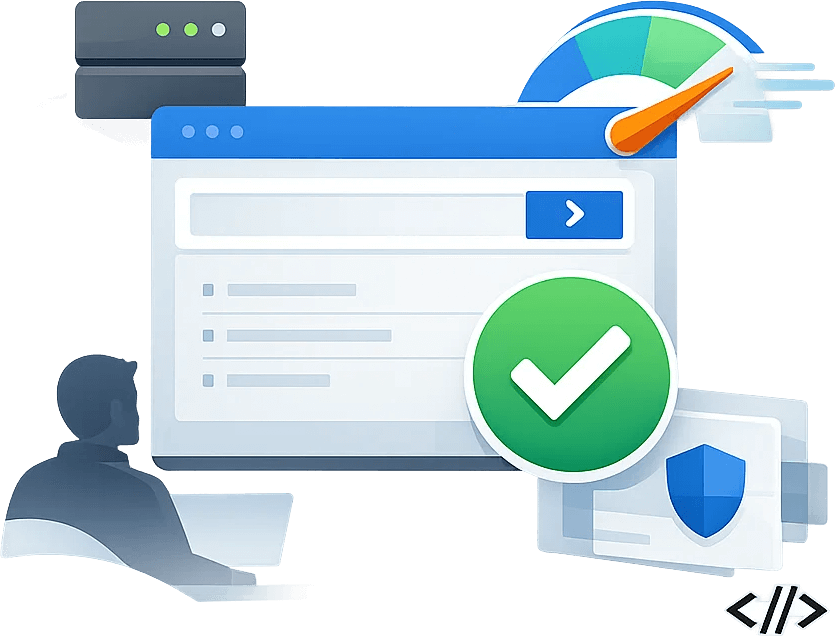
MCP Web Fetch Server
MCP Web Fetch

Connect Cloudbypass web access to AI tools and agent workflows

Package Cloudbypass page access as MCP tools for Cursor, Claude, Codex and other agents. Let models request pages, screenshots and structured results without rebuilding the access layer in every project.

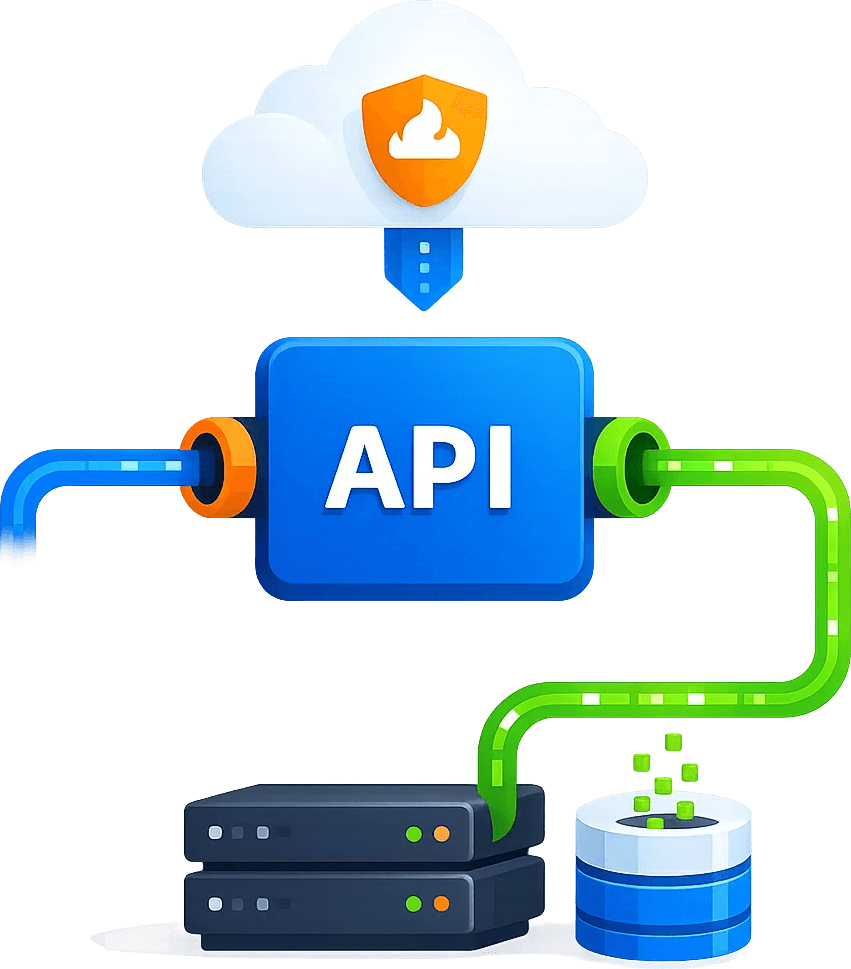
Solution 1: API-based access layer

Use Cloudbypass API to centrally handle webpage access, regional environments, dynamic pages, screenshots, status codes and structured results, so business systems can focus on extraction, analysis and alerts.

Solution 2: proxy and session strategy

Choose dynamic residential IP, dynamic datacenter IP, rotation or sticky sessions by task type for long-term monitoring, multi-region verification and project isolation.

CLOUDBYPASS ACCESS LAYER

# Cloudflare / Turnstile / WAF

cloudbypass.fetch_page(url, country="US", format="markdown")

# HTML / Markdown / JSON / Screenshot / Logs

geo + proxy + session + retry + evidence

Ready for Cloudflare-protected workflows

Cloudflare Challenge Handling

Why AI IDEs, agent platforms, internal automation tools and developer templates need Cloudbypass?

The real bottleneck is rarely the business logic. It is Cloudflare, Turnstile, WAF rules, 403 responses, dynamic pages, regional restrictions and IP reputation. Cloudbypass turns that access layer into reusable infrastructure so teams can focus on data, monitoring, analysis and automation.

Challenge pass stability 95%
Access-layer maintenance reduction 80%

Challenge handling

Unify handling for Cloudflare, Turnstile, WAF and 403 access failures.

Multi-region access

Configure real access environments by country, city and task type.

Dynamic IP and sessions

Use dynamic residential or datacenter IP, sticky sessions, retries and long-running monitoring.

Status logs and governance

Record status codes, screenshots, failure reasons and request evidence for review.

Cloudflare / Turnstile / WAF

Let MCP tools really reach live pages protected by verification

Wrap page access, Cloudflare challenge handling, regional environments and call logs into one MCP tool layer.

STEP 01

MCP tool functions

Expose web access as fetch, render, screenshot and extract tools.

01

STEP 02

Challenge handling

Handle Cloudflare, Turnstile, WAF and 403 so tool calls remain stable.

02

STEP 03

Client integration

Connect Cursor, Claude, Codex, Dify, Coze and internal agent workflows.

03

STEP 04

Call governance

Support allowlists, rate limits, logs and human confirmation to reduce automation risk.

04
MCP Web Fetch Server
Use Cases

Typical applications for MCP Web Fetch Server

For AI IDEs, agent platforms, internal automation tools and developer templates, covering business scenarios from one-off access to long-term monitoring.

Cursor / Claude Code calls

Build stable access, geo verification, screenshot evidence and structured results around Cursor / Claude Code calls, reducing manual checks and duplicate script maintenance.

AI Agent toolkits

Build stable access, geo verification, screenshot evidence and structured results around AI Agent toolkits, reducing manual checks and duplicate script maintenance.

Internal knowledge base ingestion

Build stable access, geo verification, screenshot evidence and structured results around Internal knowledge base ingestion, reducing manual checks and duplicate script maintenance.

Automated check tasks

Build stable access, geo verification, screenshot evidence and structured results around Automated check tasks, reducing manual checks and duplicate script maintenance.

Team access control

Build stable access, geo verification, screenshot evidence and structured results around Team access control, reducing manual checks and duplicate script maintenance.

MCP Web Fetch Server integration flow
MCP Web Fetch Server integration steps
Implementation steps

Connect the Cloudbypass access layer in 4 steps

Start with one high-value page or task, validate access, then expand into scheduled workflows.

01. Define the access target

Confirm URL, region, frequency, output format and business boundary.

02. Choose an access strategy

Select API, rendering, screenshots, dynamic IP, sticky session or retry strategy.

03. Connect business systems

Send results to crawlers, AI agents, workflows, QA or internal monitoring systems.

04. Review and optimize

Track status codes, failure reasons, screenshots and logs to keep access stable.
FAQ

Common questions

How is this different from a normal proxy?

A normal proxy mainly provides an exit. Cloudbypass focuses on the full access workflow: regional environment, dynamic pages, challenge handling, screenshots, structured output, retries and logs.

Yes. Teams can build the business logic with templates, workflow tools or AI-generated code, then hand protected web access to the Cloudbypass API.

Use it for public data, authorized data and legitimate business workflows. Add domain allowlists, rate limits, task logs and human review where needed.

MCP Web Fetch Server FAQ
Trial Offer
+ 200 API Credits
+ Rotating Proxies
Claim Now ›